Space
SpaceX Starship Flight 14: First Orbital Mission, Starlink V3 Deployment and Historic Catch Attempt
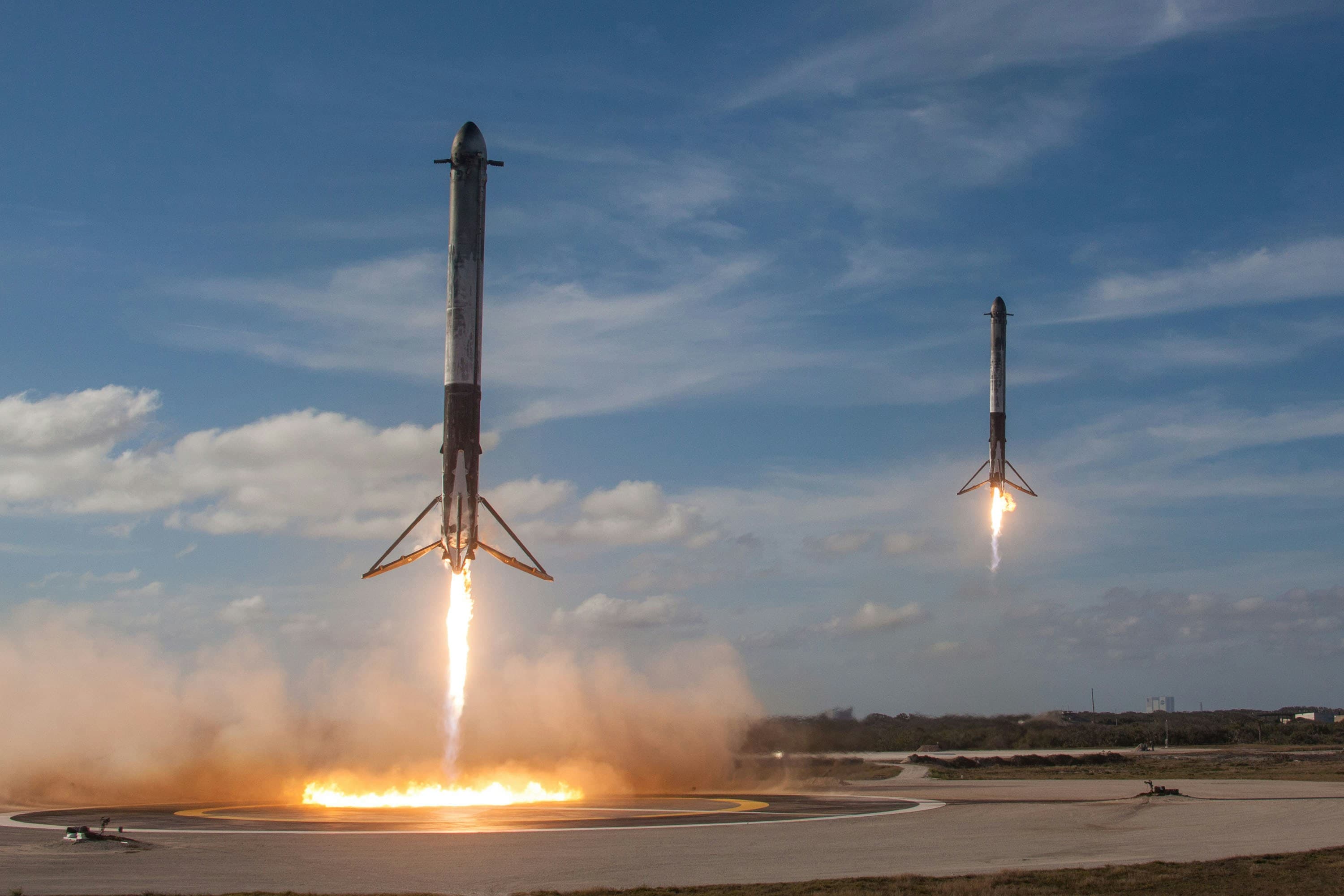
SpaceX is preparing Starship Flight 14 for a late-August launch, with the mission expected to attempt a major milestone: an orbital Starship mission carrying operational Starlink V3 satellites and potentially the first-ever tower catch of the Starship upper stage.
What Is Starship Flight 14? | Starship Flight 14 is the next major test flight of SpaceX's Starship system. Current plans point toward a late-August launch from Starbase, Texas, with the mission expected to test orbital operations, payload deployment and advanced recovery objectives. When Will Starship Flight 14 Launch? | SpaceX is targeting Flight 14 for later in August 2026. The exact launch date can change depending on vehicle readiness, testing, weather, regulatory requirements and other operational factors, so the current timing should be treated as a target rather than a guaranteed date. Why Flight 14 Is Different | Flight 14 could represent a major transition for Starship. Instead of focusing primarily on basic flight testing, SpaceX is expected to combine orbital operations, operational Starlink V3 deployment and an ambitious attempt to recover the upper stage. Will Starship Deploy Starlink V3 Satellites? | Yes. Starship already demonstrated Starlink V3 deployment on Flight 13, which released 20 functioning satellites. Flight 14 is expected to continue that capability with operational V3 satellites as SpaceX moves toward using Starship for large-scale next-generation Starlink deployment. What Is the First-Ever Starship Catch Attempt? | One of the most exciting objectives for Flight 14 is an attempt to catch the returning Starship upper stage with the launch tower's mechanical arms. SpaceX has already demonstrated booster catches, but catching the Starship spacecraft itself would be a major new milestone. Why the Starship Catch Matters | A successful tower catch could dramatically improve Starship's potential turnaround time. Instead of landing on a conventional pad and requiring extensive recovery infrastructure, the spacecraft could theoretically be captured directly at the launch site and prepared for another mission. Is Flight 14 Starship's First Orbital Flight? | Current mission listings and reporting describe Flight 14 as Starship's first planned orbital flight. The mission profile is intended to take the spacecraft farther toward operational orbital missions while testing additional systems required for future Starship deployments. What Happened on Starship Flight 13? | Flight 13 launched successfully on July 24, 2026. The mission deployed 20 Starlink V3 satellites and completed an intact ocean splashdown, providing SpaceX with valuable data for the next flight. Why Starlink V3 Matters | Starlink V3 satellites are designed to provide substantially greater capacity than previous generations. SpaceX says the new V3 satellites will begin being delivered to orbit by Starship, making Starship's ability to deploy large batches of these spacecraft strategically important to the Starlink network. What SpaceX Wants Starship to Become | SpaceX's long-term goal is a fully reusable launch system capable of rapidly delivering large payloads to orbit. The company wants Starship to support Starlink expansion, lunar missions, scientific payloads and eventually human missions beyond Earth. How Starship Could Change Launch Costs | Starship is designed to be fully reusable and much larger than Falcon 9. If SpaceX can achieve rapid turnaround, the vehicle could dramatically increase the amount of payload delivered to orbit while reducing the cost per kilogram. Why Elon Musk Is Betting on Starship | Starship is central to several of Musk's long-term ambitions, including a much larger Starlink network, lunar exploration and eventual Mars missions. The vehicle is also increasingly important to SpaceX's broader business strategy. What Could Go Wrong on Flight 14? | Despite the ambitious plans, Flight 14 remains a test flight. Engine problems, thermal protection issues, guidance failures, payload problems, weather or recovery complications could force SpaceX to change the mission or delay the launch. What Would a Successful Flight 14 Mean? | A successful mission combining orbital operations, Starlink V3 deployment and a Starship catch would represent a significant step toward rapid Starship reusability. It would also provide SpaceX with important data for future missions involving larger payloads and more complex operations.
What Is Starship Flight 14?
Starship Flight 14 is the next major test flight of SpaceX's Starship system. Current plans point toward a late-August launch from Starbase, Texas, with the mission expected to test orbital operations, payload deployment and advanced recovery objectives.
When Will Starship Flight 14 Launch?
SpaceX is targeting Flight 14 for later in August 2026. The exact launch date can change depending on vehicle readiness, testing, weather, regulatory requirements and other operational factors, so the current timing should be treated as a target rather than a guaranteed date.
Why Flight 14 Is Different
Flight 14 could represent a major transition for Starship. Instead of focusing primarily on basic flight testing, SpaceX is expected to combine orbital operations, operational Starlink V3 deployment and an ambitious attempt to recover the upper stage.
Will Starship Deploy Starlink V3 Satellites?
Yes. Starship already demonstrated Starlink V3 deployment on Flight 13, which released 20 functioning satellites. Flight 14 is expected to continue that capability with operational V3 satellites as SpaceX moves toward using Starship for large-scale next-generation Starlink deployment.
What Is the First-Ever Starship Catch Attempt?
One of the most exciting objectives for Flight 14 is an attempt to catch the returning Starship upper stage with the launch tower's mechanical arms. SpaceX has already demonstrated booster catches, but catching the Starship spacecraft itself would be a major new milestone.
Why the Starship Catch Matters
A successful tower catch could dramatically improve Starship's potential turnaround time. Instead of landing on a conventional pad and requiring extensive recovery infrastructure, the spacecraft could theoretically be captured directly at the launch site and prepared for another mission.
Is Flight 14 Starship's First Orbital Flight?
Current mission listings and reporting describe Flight 14 as Starship's first planned orbital flight. The mission profile is intended to take the spacecraft farther toward operational orbital missions while testing additional systems required for future Starship deployments.
What Happened on Starship Flight 13?
Flight 13 launched successfully on July 24, 2026. The mission deployed 20 Starlink V3 satellites and completed an intact ocean splashdown, providing SpaceX with valuable data for the next flight.
Why Starlink V3 Matters
Starlink V3 satellites are designed to provide substantially greater capacity than previous generations. SpaceX says the new V3 satellites will begin being delivered to orbit by Starship, making Starship's ability to deploy large batches of these spacecraft strategically important to the Starlink network.
What SpaceX Wants Starship to Become
SpaceX's long-term goal is a fully reusable launch system capable of rapidly delivering large payloads to orbit. The company wants Starship to support Starlink expansion, lunar missions, scientific payloads and eventually human missions beyond Earth.
How Starship Could Change Launch Costs
Starship is designed to be fully reusable and much larger than Falcon 9. If SpaceX can achieve rapid turnaround, the vehicle could dramatically increase the amount of payload delivered to orbit while reducing the cost per kilogram.
Why Elon Musk Is Betting on Starship
Starship is central to several of Musk's long-term ambitions, including a much larger Starlink network, lunar exploration and eventual Mars missions. The vehicle is also increasingly important to SpaceX's broader business strategy.
What Could Go Wrong on Flight 14?
Despite the ambitious plans, Flight 14 remains a test flight. Engine problems, thermal protection issues, guidance failures, payload problems, weather or recovery complications could force SpaceX to change the mission or delay the launch.
What Would a Successful Flight 14 Mean?
A successful mission combining orbital operations, Starlink V3 deployment and a Starship catch would represent a significant step toward rapid Starship reusability. It would also provide SpaceX with important data for future missions involving larger payloads and more complex operations
The next Starship launch is attracting unusual attention because SpaceX is attempting to move beyond simply proving that the giant spacecraft can fly. Flight 14 could be the mission where several major pieces of the Starship strategy come together at once.
The vehicle is expected to perform an orbital mission while carrying operational Starlink V3 satellites. Flight 13 already demonstrated that Starship can deploy these next-generation satellites, but repeating and expanding the capability is important if SpaceX wants Starship to become the primary launch platform for future Starlink expansion.
The most dramatic objective, however, may happen at the end of the flight. SpaceX is targeting a tower catch of the Starship upper stage. The company's launch towers use large mechanical arms, commonly called chopsticks, to capture returning vehicles. SpaceX has already demonstrated this concept with Super Heavy boosters, but successfully catching the Starship spacecraft would be a new achievement.
That catch matters because reusability is the entire point of the Starship architecture. If SpaceX has to recover, transport and extensively refurbish every spacecraft after landing, the system will not achieve the extremely high launch cadence the company envisions. A reliable tower-catch system could eventually allow Starship to return directly to its launch infrastructure.
Flight 13 gave SpaceX encouraging results before this next attempt. The July mission successfully launched from Starbase, deployed 20 Starlink V3 satellites and ended with the Starship upper stage reaching an intact ocean splashdown.
That does not mean Flight 14 is guaranteed to succeed. Starship remains an experimental vehicle, and every new objective introduces additional opportunities for failure. The company is deliberately testing increasingly complex capabilities because the data from these missions is essential to developing the final operational system.
The Starlink connection is particularly important. SpaceX says Starship will begin delivering the more powerful V3 Starlink satellites to orbit, with each launch potentially adding dramatically more network capacity than earlier Starlink deployments.
If Starship eventually reaches a high flight cadence, SpaceX could use the vehicle to deploy huge numbers of satellites much faster than would be practical with smaller launch vehicles. That could accelerate Starlink's growth while simultaneously providing SpaceX with a large-scale real-world customer for its own rocket.
There is also a much bigger picture. Starship is being developed for missions beyond Earth, including NASA-related lunar objectives and SpaceX's long-term Mars ambitions. Before those missions become realistic, however, SpaceX must demonstrate that Starship can reliably launch, operate in orbit, survive reentry and be reused.
That is why Flight 14 matters. It is not just another rocket launch. It is a test of whether several key pieces of SpaceX's long-term strategy can begin working together.
If SpaceX successfully performs the planned mission, deploys operational payloads and catches the Starship upper stage, the company could emerge from the flight with a substantially stronger case for Starship's future as a high-frequency orbital vehicle.
Conclusion
Starship Flight 14 could be SpaceX's biggest Starship test yet. The mission is targeting late August 2026 and is expected to combine orbital operations, operational Starlink V3 deployment and a potentially historic attempt to catch the Starship upper stage with the launch tower. Flight 13 already proved that Starship can deploy Starlink V3 satellites, so the real headline for Flight 14 is the combination of orbital operations + operational payloads + the first Starship ship-catch attempt. If all three pieces work, SpaceX will be much closer to its vision of a rapidly reusable spacecraft capable of launching huge payloads at an unprecedented frequency. And if something goes wrong, the mission will still provide critical engineering data for the flights that follow. Either way, Starship Flight 14 is a story worth watching throughout August 2026.