Trending
Total Solar Eclipse August 12, 2026: Where and When to Watch
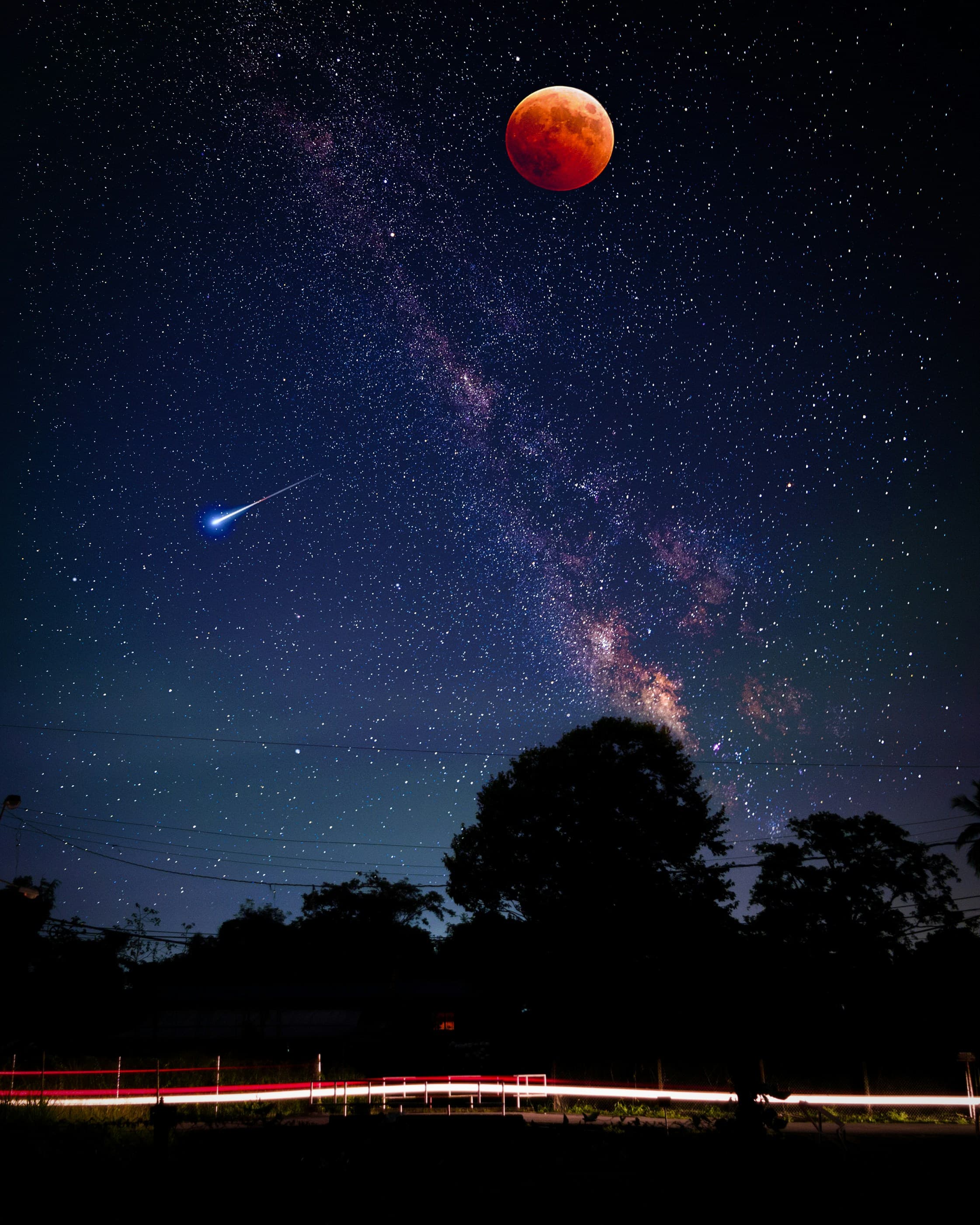
The total solar eclipse on August 12, 2026, is happening today. Find out where the eclipse will be visible, what time to watch it, the path of totality, which European countries will see a partial eclipse, and how to watch it safely.
A rare total solar eclipse is happening today, August 12, 2026, creating one of the biggest astronomical events of the year. The Moon will pass directly between Earth and the Sun, completely blocking the Sun for viewers inside the narrow path of totality. The path crosses Greenland, Iceland, northern Spain and a small area of northeastern Portugal, while large parts of Europe will experience a partial solar eclipse.
Total Solar Eclipse August 12, 2026
Today's eclipse is the only total solar eclipse of 2026. During totality, the Moon completely covers the visible disk of the Sun and the Sun's outer atmosphere, known as the corona, becomes visible. The total phase will last for only a short time, making location and timing especially important.
Where Will the Total Solar Eclipse Be Visible?
The path of totality will cross northern Russia, Greenland, Iceland, the Atlantic Ocean, northern Spain and a small part of northeastern Portugal. Outside this narrow path, observers across much of Europe will see a partial solar eclipse instead.
Total Eclipse in Spain
Northern Spain is one of the best places in Europe to experience totality. The eclipse will cross Spain from the Atlantic coast toward the Mediterranean, with locations including A Coruña, Bilbao, Zaragoza, Valencia and Palma among the areas expected to experience totality. Madrid and Barcelona are outside the central path and will see a partial eclipse.
Total Eclipse in Iceland
Iceland is another major viewing location. Reykjavík is expected to experience totality at approximately 5:48 PM local time, although the exact experience depends on the observer's location and local conditions.
What Will Other European Countries See?
Many European countries will experience a partial solar eclipse rather than totality. The UK and Ireland will see a deep partial eclipse, while areas including France, Belgium, Switzerland and northern Italy will also experience substantial solar coverage.
What Time Is the Solar Eclipse Today?
The exact viewing time depends on location. In Iceland, totality occurs in the late afternoon, while northern Spain experiences totality close to sunset. For example, A Coruña and Bilbao are expected to enter totality at approximately 8:28 PM local time.
How Long Will Totality Last?
The maximum duration of totality will be about 2 minutes and 18 seconds near the point of greatest eclipse in the North Atlantic, west of Iceland. Most locations along the path will experience a shorter period of complete darkness.
Why Is This Eclipse Special?
This eclipse is particularly significant for Europe because mainland Western Europe has not experienced a total solar eclipse since 1999. That makes today's event an especially important astronomical occasion for skywatchers across the continent.
How to Watch the Solar Eclipse Safely
Never look directly at the Sun during the partial phases without proper solar viewing protection. Use certified solar eclipse glasses or an appropriate solar filter designed specifically for direct solar observation. Ordinary sunglasses do not provide sufficient protection.
Can You Watch the Eclipse Online?
People outside the path of totality can still experience the event through online livestreams. NASA and other observatories are providing coverage, allowing viewers around the world to follow the eclipse even if they cannot see it from their location.
Will Pakistan See the Total Solar Eclipse?
Pakistan is not within the path of totality for the August 12, 2026 eclipse. The best views of totality will be from locations along the narrow path crossing Greenland, Iceland, Spain and northeastern Portugal. Viewers outside the visibility zone can follow livestream coverage online.
Best Places to Watch the Eclipse
For travelers seeking totality, northern Spain and Iceland are among the most accessible European destinations. However, weather conditions are extremely important, particularly because clouds near sunset can interfere with the view. Checking local weather forecasts before choosing a viewing location is essential.
Solar Eclipse 2026 Live Stream
If you cannot travel to the path of totality, online coverage is the easiest way to follow the event. NASA and astronomy organizations are expected to provide live coverage showing the eclipse from multiple locations.
The August 12, 2026 total solar eclipse is attracting attention around the world because it combines a rare astronomical event with a viewing path that reaches populated areas of Europe. During a total solar eclipse, the Moon moves directly between Earth and the Sun and temporarily blocks the Sun's bright disk. For observers inside the path of totality, the sky can become dramatically darker and the Sun's corona becomes visible.
The eclipse begins its total path in the Arctic before crossing Greenland and Iceland. It then moves across the Atlantic toward the Iberian Peninsula, reaching northern Spain and a small part of northeastern Portugal. Much of Europe will experience a partial eclipse, meaning the Moon will cover only part of the Sun.
Spain is expected to be one of the most important viewing locations because the eclipse crosses a large part of the northern and eastern regions of the country. Several cities and surrounding areas will experience totality, although the timing is close to sunset in many Spanish locations. This makes clear skies and an unobstructed western horizon particularly important.
Iceland is another major destination for eclipse watchers. Reykjavík is within the totality path, giving residents and visitors an opportunity to experience the Moon completely covering the Sun. The North Atlantic west of Iceland is also close to the point of greatest eclipse, where totality reaches its maximum duration of approximately 2 minutes and 18 seconds.
For people elsewhere in Europe, the event will still be worth watching. Countries outside the path of totality will experience varying levels of partial eclipse. In some locations, more than 90 percent of the Sun may be covered, producing a noticeable change in daylight even though the Sun will not disappear completely.
One of the most important things for viewers is eye safety. Looking directly at the Sun during a partial eclipse can cause serious eye injury. Proper solar eclipse glasses or an approved solar viewing filter should be used whenever looking toward the Sun outside the brief period of totality.
For those who cannot see the eclipse from their location, livestreams provide another option. NASA and astronomy organizations are providing online coverage, making it possible for viewers around the world to follow the event without traveling to the eclipse path.
Conclusion
The total solar eclipse of August 12, 2026 is one of the year's biggest astronomical events. Totality will be visible across parts of Greenland, Iceland, northern Spain and northeastern Portugal, while much of Europe will experience a partial eclipse. If you're lucky enough to be inside the path of totality, make sure you have proper solar viewing equipment, a clear view of the sky and your camera ready. If you're outside the path, online livestreams offer an easy way to experience this rare event from anywhere.